|
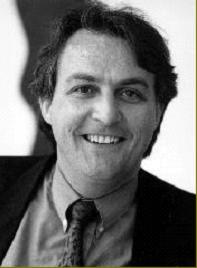
Mr John Rogers M.D., F.R.C.S., Consultant Surgeon
Mr John Rogers was trained in medicine at King's College Hospital Medical School, London and qualified in 1979. He gained his fellowship of the Royal College of Surgeons of England in 1985. His specialist training was in Oesophagogastric, Colorectal and Laparoscopic surgery. He undertook a period of original research resulting in a large number of publications in scientific journals and wrote a Thesis resulting in the award of M.D. in 1991. He was given the medal of Arris and Gale Lecturer at the Royal College of Surgeons of England 1991/1992. He has written a number of chapters in surgical textbooks and continues to be involved in research.
Although now in private practice he was Senior Lecturer and Hon. Consultant Surgeon at St Bart's and the Royal London Hospital between 1993 and 2002. During this post he was Director of The Royal London Hospital Minimal Access Therapy Training Unit which was a clinical partner of the Royal College of Surgeons of England Minimal Access Therapy Training Unit (mattu) and he regularly performed live surgical demonstrations of complex laparoscopic procedures over a direct video link to the Royal College of Surgeons. He continues to be involved in the training of surgeons in new laparoscopic surgical techniques.
Mr Rogers continues his specialist interest in oesophagogastric, colorectal and laparoscopic surgery with particular emphasis on the treatment of gastro-oesophageal reflux disease using laparoscopic surgical techniques. His private practice is based at 80 Harley Street in Central London and at the Princess Grace Hospital. He can be contacted: - by telephone on 020 7636 8248, by fax 020 7935 4984, or by email enquiries@gordcentre.org.
|
|